Florida & Georgia Mortgage Strategist for First-Time Buyers, Foreign Nationals & Investors
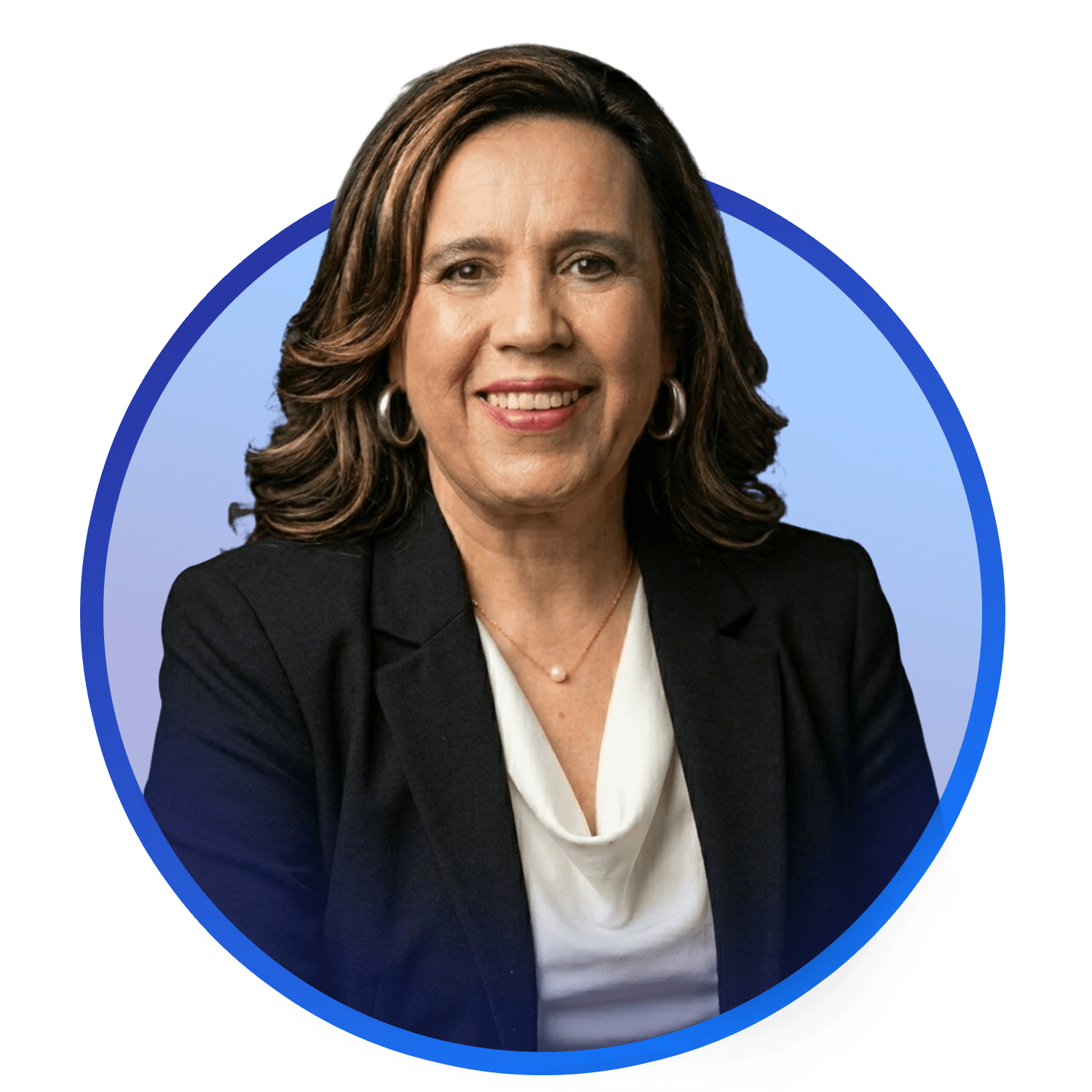
Odette Aliaga Tua is a bilingual Mortgage Loan Originator with Bold Mortgage, a PRMG Legacy Brand, helping clients across Florida and Georgia navigate home financing with clarity, strategy, and confidence.
With over 15 years of residential lending experience, Odette specializes in FHA loans, conventional financing, low down payment programs, DSCR loans, bank statement loans, ITIN mortgages, foreign national financing, investment property loans, and mortgage solutions for self-employed borrowers.
Whether you're buying your first home, purchasing an investment property, refinancing, or planning your next move, Odette focuses on helping clients structure smarter mortgage decisions — not just get approved.
Odette provides mortgage guidance in English and Spanish for clients throughout Florida, Georgia, and other eligible states where permitted.
NMLS #282568 | PRMG NMLS #75243 | Equal Housing Lender
Buying a home is one of the largest financial decisions most people will ever make. The mortgage you choose and how you structure it can affect your finances long after closing day.
Odette Aliaga Tua helps homebuyers throughout Florida and Georgia understand their financing options before they purchase, refinance, or invest. Her approach combines mortgage guidance, financial education, and strategic planning designed to help clients avoid common mistakes and make informed decisions.
Odette works with:
If you're planning to buy a home in Florida or Georgia, refinance, or explore investment opportunities, schedule a consultation to review your options and create a mortgage strategy aligned with your goals.
Calculate your mortgage payment, affordability & more
Find out which loan program is right for you
Get pre-approved in minutes with our quick & easy app
Get insight on trending news and mortgage happenings with our weekly blog
Committed to giving you all the support and guidance you need.
A conventional loan is a type of loan that doesn't have government backing or insurance, unlike FHA, VA, and USDA loans, which are insured by the government. Conventional mortgage loans, whether conforming or non-conforming, usually require a slightly larger down payment than some government loans. However, conventional loans offer more flexibility and fewer restrictions for borrowers, especially those borrowers with good credit and steady income.
Your credit payment history is recorded in a file or report. These files or reports are maintained and sold by "consumer reporting agencies" (CRAs). One type of CRA is commonly known as a credit bureau. You have a credit record on file at a credit bureau if you have ever applied for a credit or charge account, a personal loan, insurance, or a job. Your credit record contains information about your income, debts, and credit payment history. It also indicates whether you have been sued, arrested, or have filed for bankruptcy.
On a conventional mortgage, when your down payment is less than 20% of the purchase price of the home mortgage lenders usually require you get Private Mortgage Insurance (PMI) to protect them in case you default on your mortgage. Sometimes you may need to pay up to 1-year's worth of PMI premiums at closing which can cost several hundred dollars. The best way to avoid this extra expense is to make a 20% down payment, or ask about other loan program options.
It's generally a good time to refinance when mortgage rates are 2% lower than the current rate on your loan. It may be a viable option even if the interest rate difference is only 1% or less. Any reduction can trim your monthly mortgage payments. Example: Your payment, excluding taxes and insurance, would be about $770 on a $100,000 loan at 8.5%; if the rate were lowered to 7.5%, your payment would then be $700, now you're saving $70 per month. Your savings depends on your income, budget, loan amount, and interest rate changes. Your trusted lender can help you calculate your options.
An Appraisal is an estimate of a property's fair market value. It's a document generally required (depending on the loan program) by a lender before loan approval to ensure that the mortgage loan amount is not more than the value of the property. The Appraisal is performed by an "Appraiser" typically a state-licensed professional who is trained to render expert opinions concerning property values, its location, amenities, and physical conditions.

Loan Officer
Bold Mortgage | NMLS: 282568