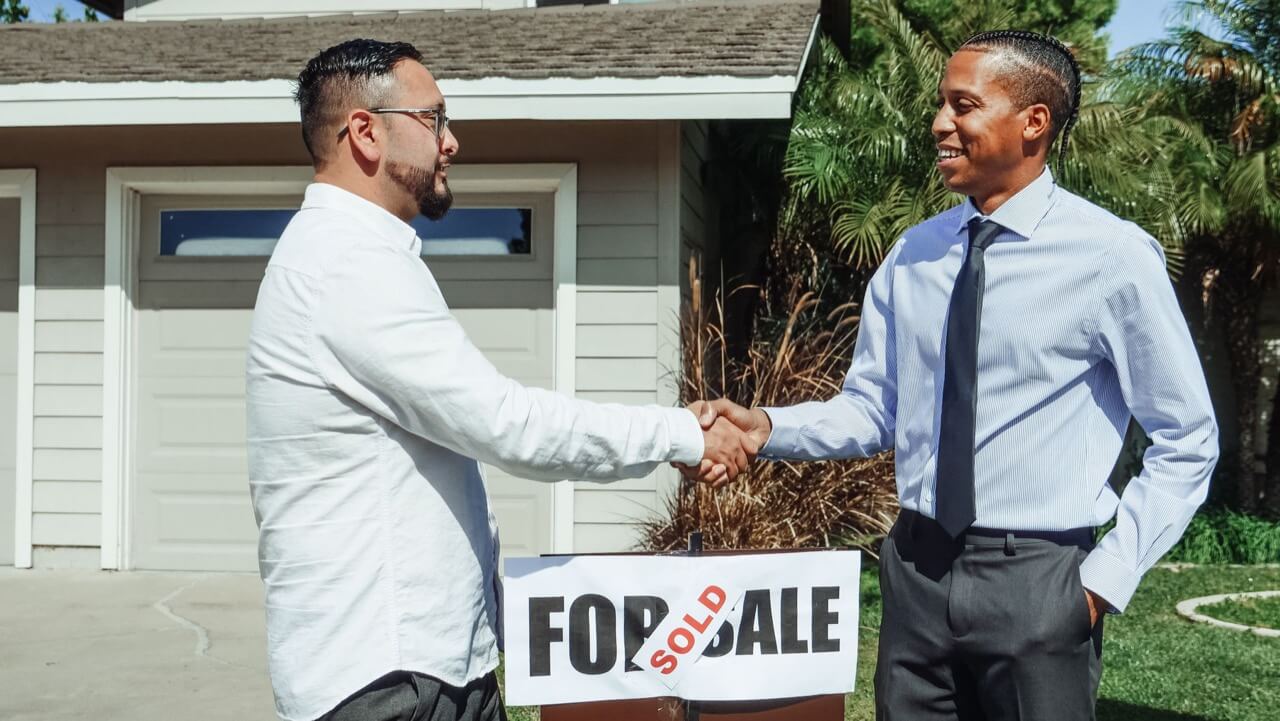
How conventional financing for a second home works
A conventional second-home mortgage is for a property the borrower intends to use personally, subject to lender and program guidelines. It is not simply a label for any additional property. Be prepared to explain how you expect to use the home, how often you may stay there, and whether you anticipate renting it out. A property intended primarily to generate rental income may require a different financing path.
Lenders review more than the purchase price. They may consider your down payment, available reserves, credit history, documented income, current mortgage and other debts, proposed housing costs, and whether the property's intended occupancy fits the program. There is no single down-payment or reserve amount that applies to every borrower and property; requirements vary with the loan structure, lender, credit profile, and applicable guidelines.
Budget for closing costs and ongoing ownership expenses as well as the funds needed to complete the purchase. Your current home and its mortgage remain part of the financial picture. Qualification is subject to credit approval and program guidelines, and how income, assets, debts, and property expenses are treated depends on your circumstances and the financing selected.
Questions about your situation?
Talk it through with a loan officer who knows this market. No forms and no pressure.
A Miami market reference—not a second-home quote
Zillow Research reported a Miami home value of $583,705 in September 2026. It describes the market generally, not the price of a particular second home, so use it as a starting point and build your budget from the property's actual details.
Build the Miami budget around the actual property
The Census ACS 5-Year, 2023 reported a median property tax of $3,516 for Miami-Dade County. That is a local reference, not a forecast of the tax bill on a home you buy. Check the address's current tax records and ask how a sale or ownership change could affect its future assessment; do not assume that a prior owner's exemptions or tax treatment will carry over.
For the property you are considering, request a current insurance quote and review its coverage, deductibles, exclusions, and requirements. Add applicable association dues, assessments, maintenance, utilities, closing costs, prepaid expenses, and reserves. A condominium's association documents and a detached home's maintenance needs can change the ownership-cost picture, so compare the actual records and quotes rather than relying on a market average.
What I see in this market
If you're considering buying a second home in Miami, a conventional loan could be your best option. With just 10% down, you can secure financing as long as you plan to use the property yourself for part of the year. This means you can enjoy your new home while still keeping it available for personal use, rather than renting it out full-time. It's a great way to invest in a property that can serve as a getaway or a seasonal retreat. Just remember, the key is to use it yourself during the year.
Use Miami's search conditions as context, not a promise
Zillow Research reported 5,792 homes for sale in Miami in September 2026. That inventory provides context as you compare properties, but it does not establish that a suitable second home will be available in your budget or predict competition for a particular listing. Review each property's condition, insurance availability, tax records, and—if applicable—association documents early enough to investigate open questions.
Zillow Research reported 56 days to pending in Miami in September 2026. That market-wide timing is not a financing schedule for your purchase. A complete application and early attention to property details can help surface missing information, but the transaction timeline depends on the property, documentation, lender review, and applicable guidelines. I focus on keeping the borrower’s financial documents and property questions moving through review, with in-house processing and underwriting supporting the file.
Keep the use and property review clear from the start
In Miami, decide whether the home is genuinely intended for your personal use before selecting a second-home financing path. Disclose expected rental activity rather than assuming it will fit the same occupancy treatment. If you are considering a condominium, review its financial and building documents, including information about coverage, reserves, and assessments. For any property, investigate its condition and insurance requirements with the relevant professionals.
Set the proposed costs beside your existing mortgage, other debts, household expenses, and available reserves. Do not count on home equity, a future sale, or projected rent as available for the purchase without confirming how the financing will treat it. Final qualification and terms depend on your circumstances, the property, credit approval, and program guidelines.
Can I buy a duplex with a conventional loan?
Possibly. Conventional financing can be available for a duplex, but the options depend on occupancy, the property's eligibility, and lender and program guidelines. For a Miami second home, explain whether you will personally use the property and whether you expect to rent either unit. The Census ACS 5-Year, 2023 reported a Miami-Dade County median property tax of $3,516; check the duplex's own tax records and budget for its actual costs rather than applying that countywide reference as an estimate.
Can I use a conventional loan to buy a rental property?
Conventional financing may be available for an investment property, but a property bought primarily to earn rental income is not the same as a conventional second home intended for personal use. Tell your lender your actual plan so the occupancy and financing path can be reviewed accurately. In Miami, Zillow Research reported a home value of $583,705 in September 2026; use that as general market context only, and evaluate the specific property's price, expenses, and financing separately.
Can I get a conventional mortgage with 3% down?
Some conventional programs may allow qualified buyers to put 3% down, but that does not mean every borrower or second-home purchase qualifies for that option. The applicable down payment depends on the loan program, property, borrower, and lender review. As a scale reference, 3% of Miami's $583,705 market-wide home value is about $17,511; Zillow Research reported that home value in September 2026. A particular second home's price and its actual eligibility will determine the relevant amount.
In this series
The numbers behind this page
Every figure comes from public data on Miami, FL and Miami-Dade County. Each one names its source and the month it describes, so you can check it yourself.
